
interior
architecture &
design

Refreshing a bathroom involves so many decisions about colour, finishes, fixtures and fittings. Everything you see needs to be specified and documented.
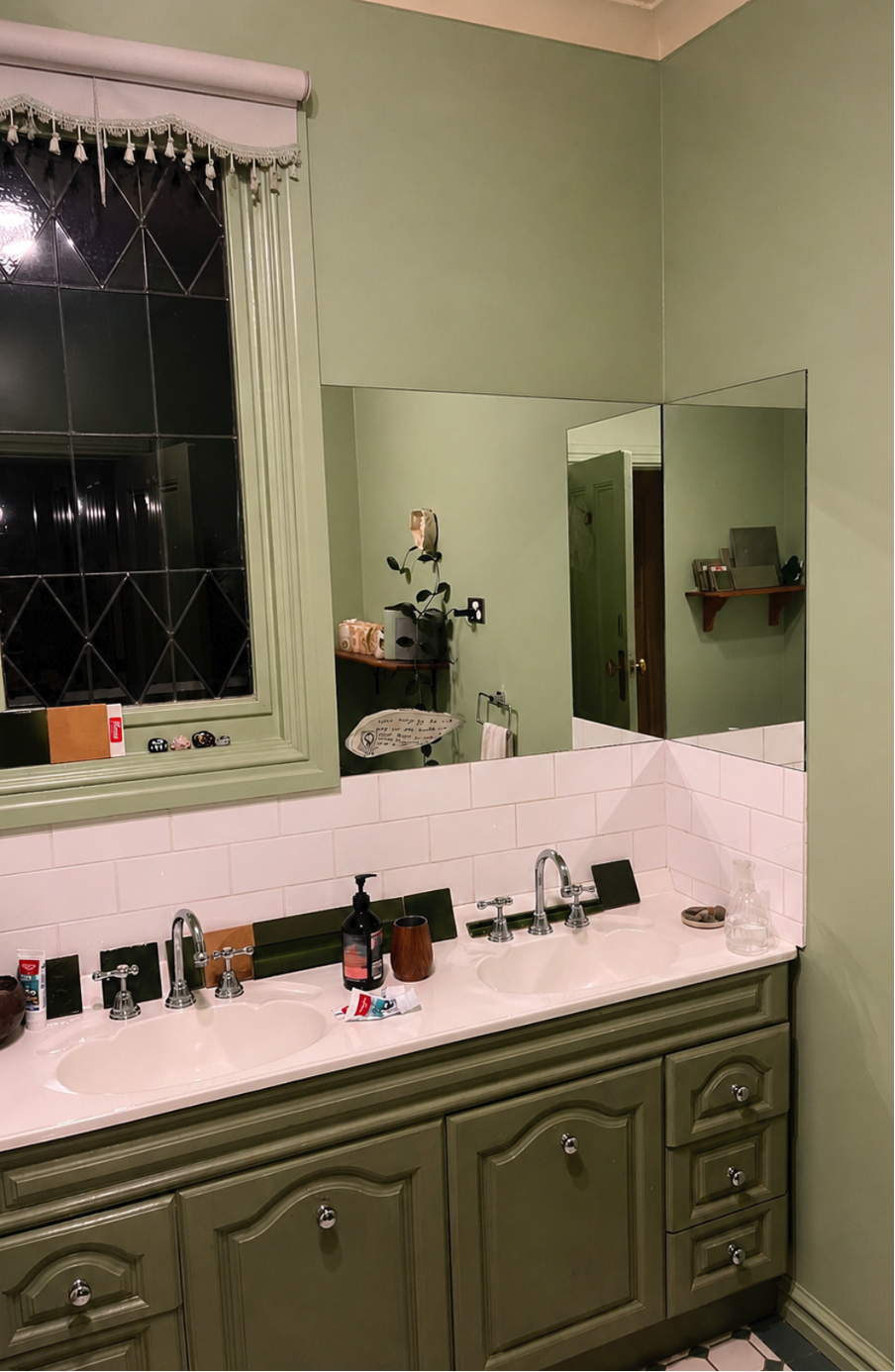
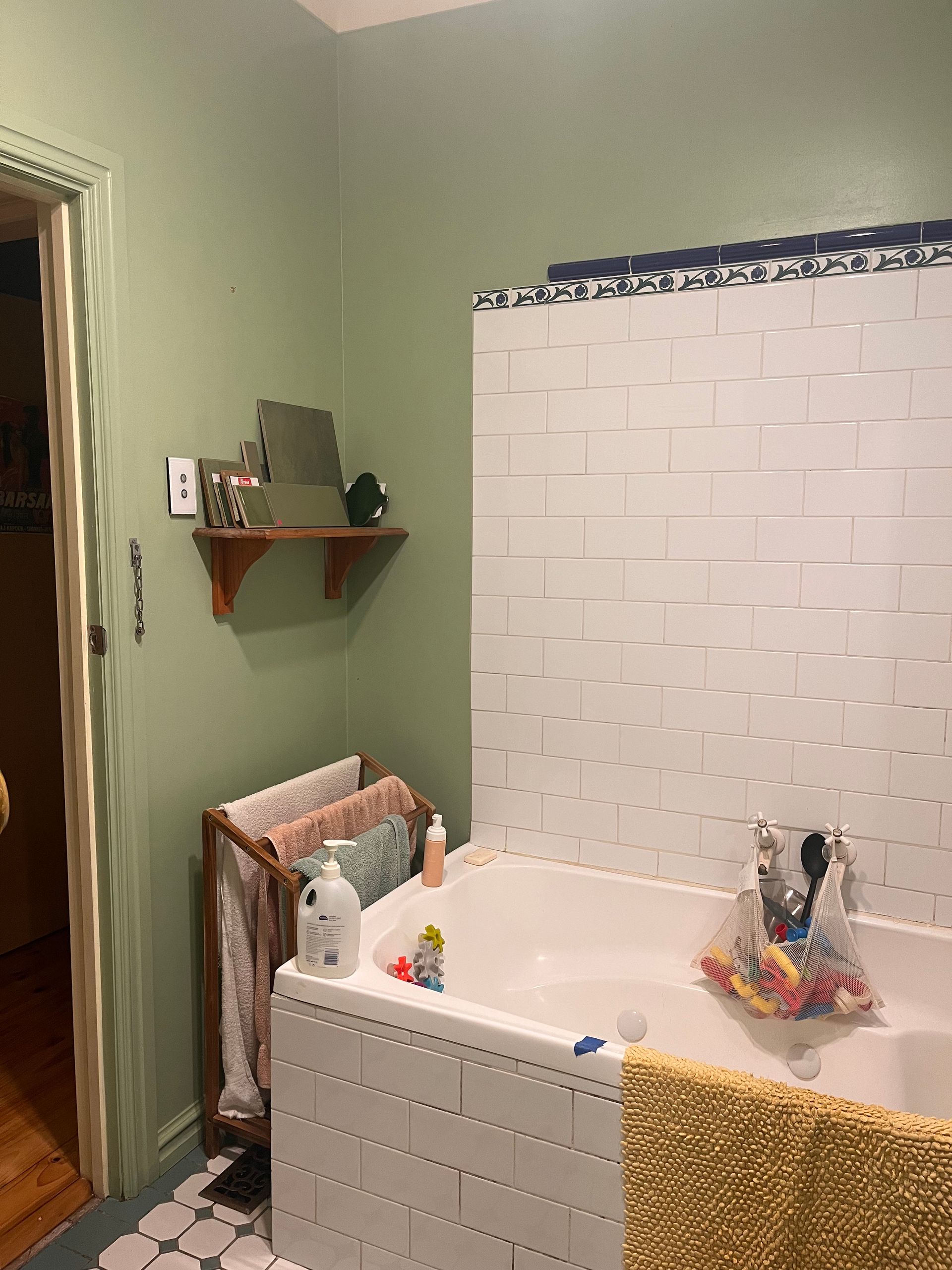
I recently had a client who wanted to renovate her bathroom. She had some tile samples, but little else had been decided.
Our first discussion centred around the builder and who would undertake the work required. As a first-time renovator, not a lot of thought had been given to how the design would actually be communicated. She had some fantastic ideas for how she wanted the bathroom to look and feel, but those ideas existed in her mind rather than on paper.
This is something I see quite often.
We can have a clear vision of how we want a space to look and feel, but translating those ideas into something a builder or tradesperson can accurately interpret is another skill altogether.
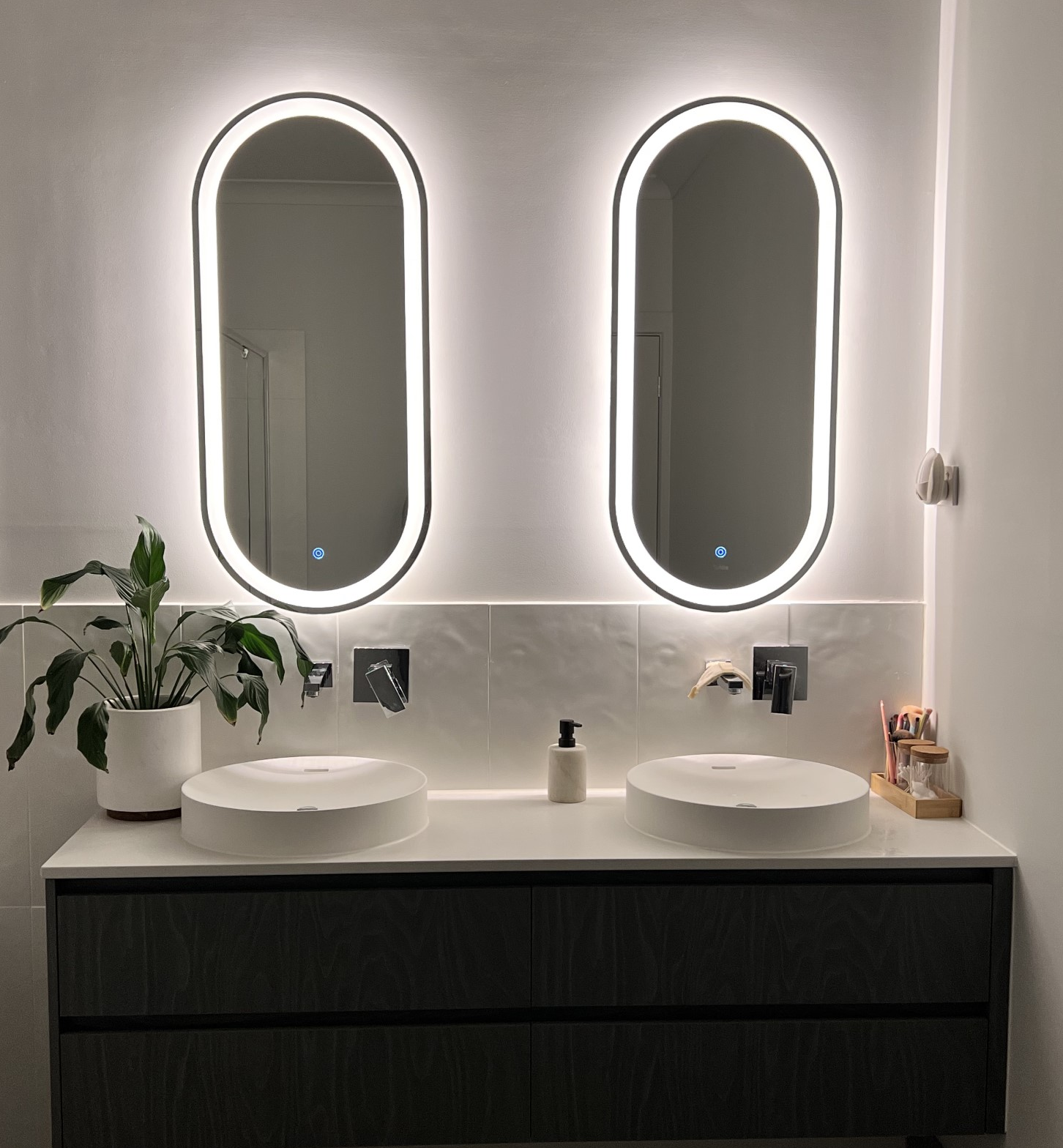
As we worked through the design, I started asking the client about details she hadn't expected to consider. Things like exactly where the niches should be located, which way the tiles should be laid, how the tile transitions should work, the position of the towel rails, the height of the vanity, grout colours, tile trims, mirror dimensions, construction details and countless other decisions.
From the client's perspective, many of these details seemed intuitive. Surely the builder would just know?
But unless these decisions and ideas are clearly communicated and documented, they are left open to interpretation.
It wasn't until the documentation was complete that the client really understood just how much goes into a bathroom renovation. As she put it:
That comment perfectly captured the value of the design process.
What had initially seemed like a straightforward bathroom renovation was, in reality, hundreds of considered decisions that all needed to work together.
Without drawings, specifications and clear documentation, every conversation becomes open to interpretation. Questions arise on site, assumptions are made, and sometimes decisions are made on the spot that don't align with the original vision. These changes can lead to delays, additional costs and, in some cases, disappointment with the finished result.
Capturing the vision.
Our first step wasn't choosing tiles or tapware — it was capturing the vision. We discussed how the bathroom would be used, what was working, what wasn't, and the overall feeling the client wanted to achieve.
From there, we developed the layout, selected finishes, fixtures and fittings, and documented every detail. An equally important part of the process is preparing a finishes and fixtures schedule. This document details every tile, tap, basin, vanity, paint finish and accessory, including product names, colours, sizes, suppliers, quantities and, where required, lead times.
It provides the builder with clear, accurate information that would otherwise be left to assumption or interpretation.
The documentation becomes the common language between the client, builder and suppliers. Everyone knows exactly what is being supplied, where it is going and how it is intended to look.
It also helps with ordering, budgeting and programming the project, ensuring long lead-time items are identified before construction begins.
Good design is more than choosing beautiful finishes.
This is the basis of good design. Interior Design is far more than selecting beautiful finishes. It is about solving problems, communicating ideas and documenting every decision so the project can be delivered as intended.
That is why interior design is a fundamental part of a successful renovation - not a luxury.
When the design is well resolved before construction starts, the entire project runs more smoothly. Builders can quote and build with confidence, suppliers know exactly what is required, and clients have peace of mind knowing their vision is being realised with clarity and precision.
And perhaps most importantly, clients can finally see their ideas move from something that existed only in their head to something that can actually be built.
Stay tuned for the finished renovation photos! Read the clients full testimony here.